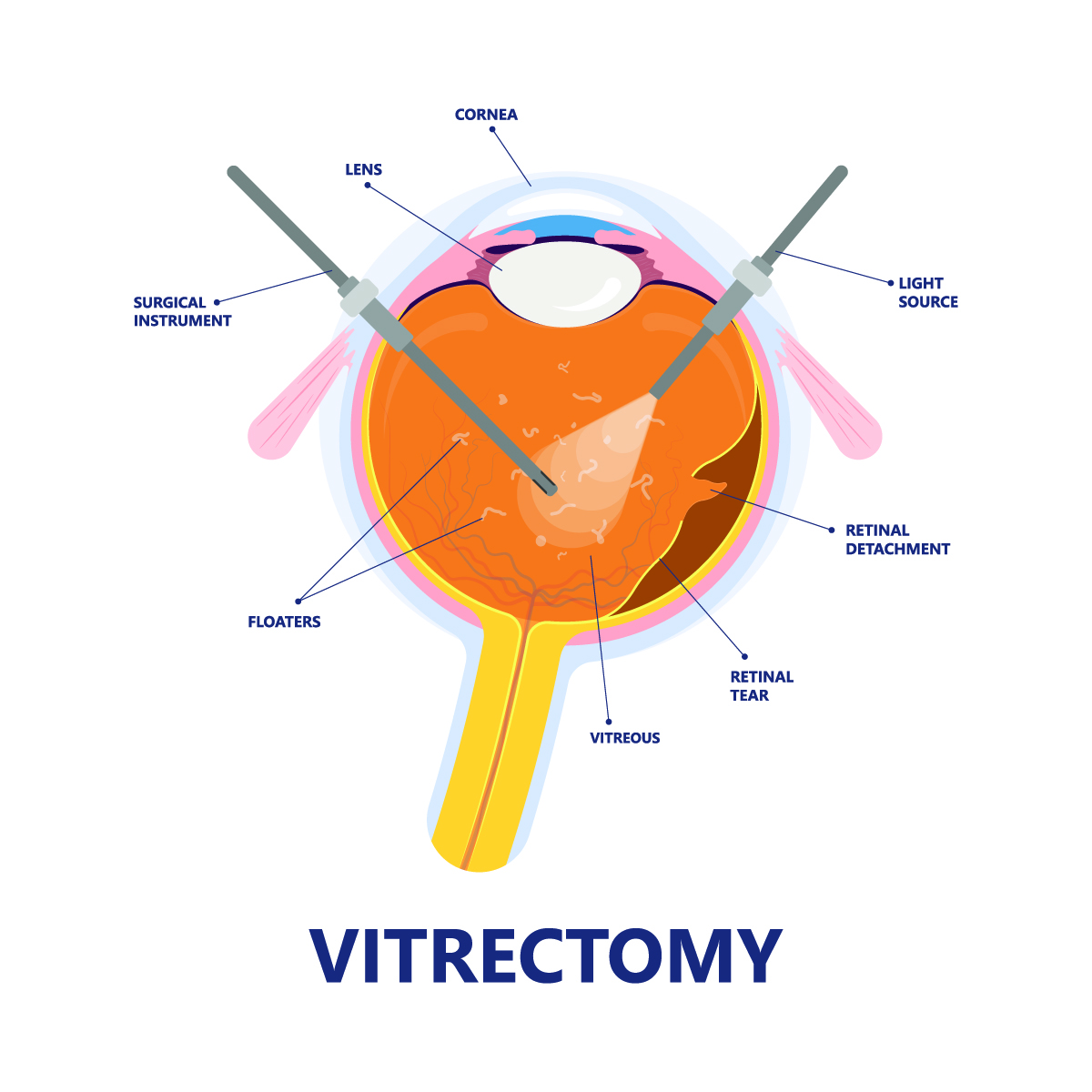
Advanced Retina Surgery Or Vitrectomy
Retina surgery has changed completely in the last decade. What used to take up to 3 hours, now takes between 15 min. to an hour. What used to cause inflammation and pain, now is almost painless with very quick recovery. With the latest technology, the risk of surgery has dramatically declined while the benefits have exponentially increased.
Vitrectomy is done for conditions like diabetic retinopathy, vitreous hemorrhage, vein occlusions, retinal detachment and macular hole. Small ports or openings are made in the coats of the eyeball, and fine instruments are introduced into the vitreous cavity which cut the vitreous and shave it off from the retina. Some cases require injection of gas or silicone oil, in which case a post-operative position is given to the patient.
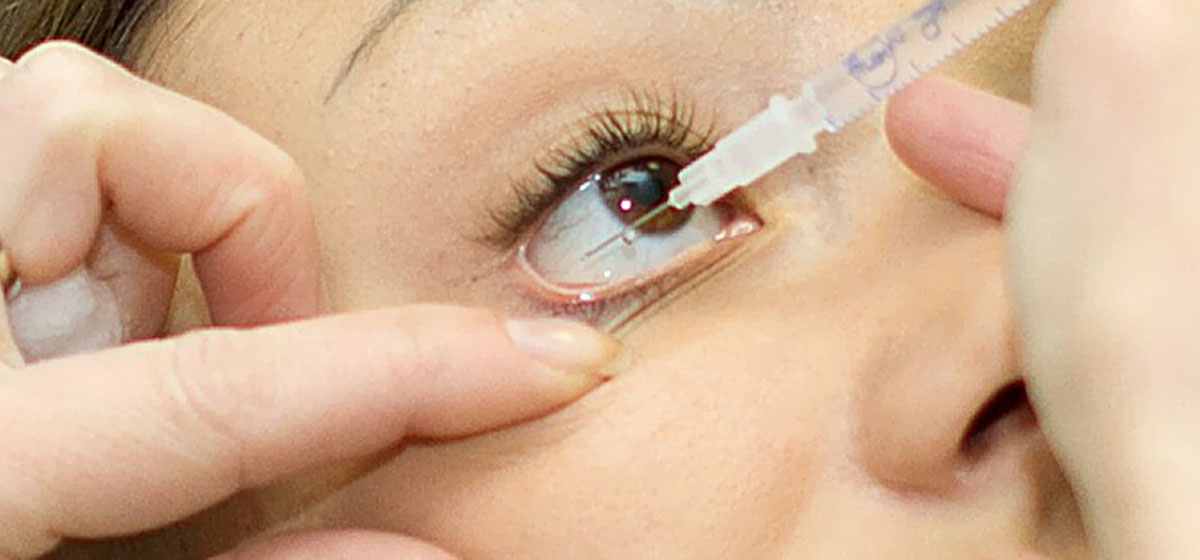
Intravitreal Injections
Injections are administered into the eye under topical anesthesia for various conditions.
The injections are administered to reduce the VEGF in the vitreous cavity which is responsible for various retinal diseases. Retinal diseases treated with these injections are diabetic retinopathy, macular edema, vein occlusions, macular degeneration, polypoidal choroidal vasculopathy and vitreous hemorrhage.
At Advanced Retina Care, patients have a very comfortable experience with injections. We use fine gauge high quality needles imported from Melbourne, Australia. Dr. Abraham noticed that patients have experienced pain only due to the blunt needles available locally, even in very good brands. She decided to import needles ever since.
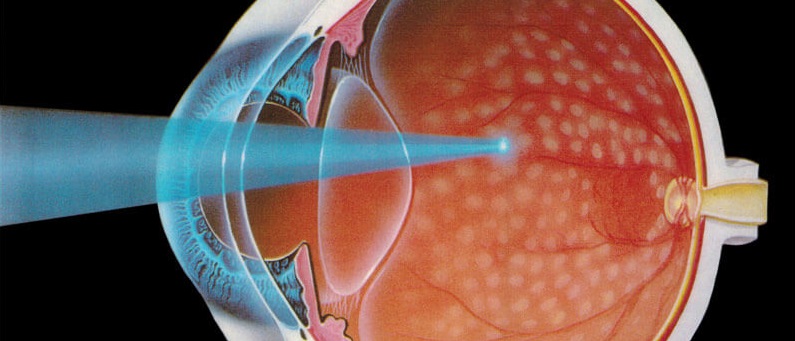
Laser Treatment
Retinal laser involves a green light which is passed on to the retina using a contact lens applied on the eye. This is a painless procedure with no side effects. The procedure takes about 5 minutes in most cases. The light produces a very small burn on the retina in a process called photocoagulation.
In diabetic retinopathy pan retinal photocoagulation is done. This involves treating the entire avascular retina with laser. While many hospitals do this in 3 separate settings, our advanced technology has allowed this to be completed in a single sitting in most patients. Laser helps to divert blood flow to the healthy retina while treating the unhealthy retina. This is required for advanced cases of diabetic retinopathy and vein occlusions involving retinal avascularity. If not done in time, the new vessels growing on the retina can bleed causing vitreous hemorrhage.
Laser is also required for retinal holes and tears. In this case the weak area on the retina is surrounded with laser spots which produce burns, fencing off the area. This prevents a major complication called retinal detachment.
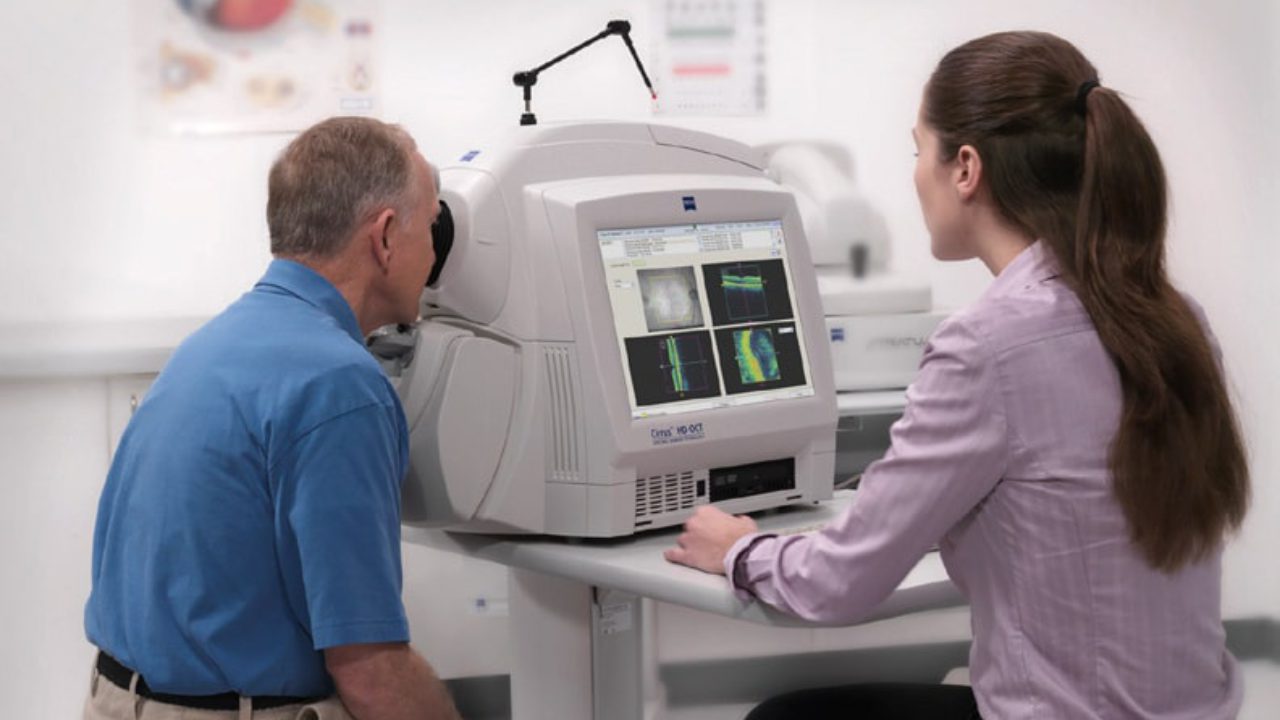
Optical Coherence Tomography
This is a non-invasive test done to scan the central retina or macula. This helps detect problems like macular oedema, central serous retinopathy, macular hole, vitreous traction and retinal detachment. It gives 3D images of the macula and optic nerve. This test is also done to detect glaucoma.
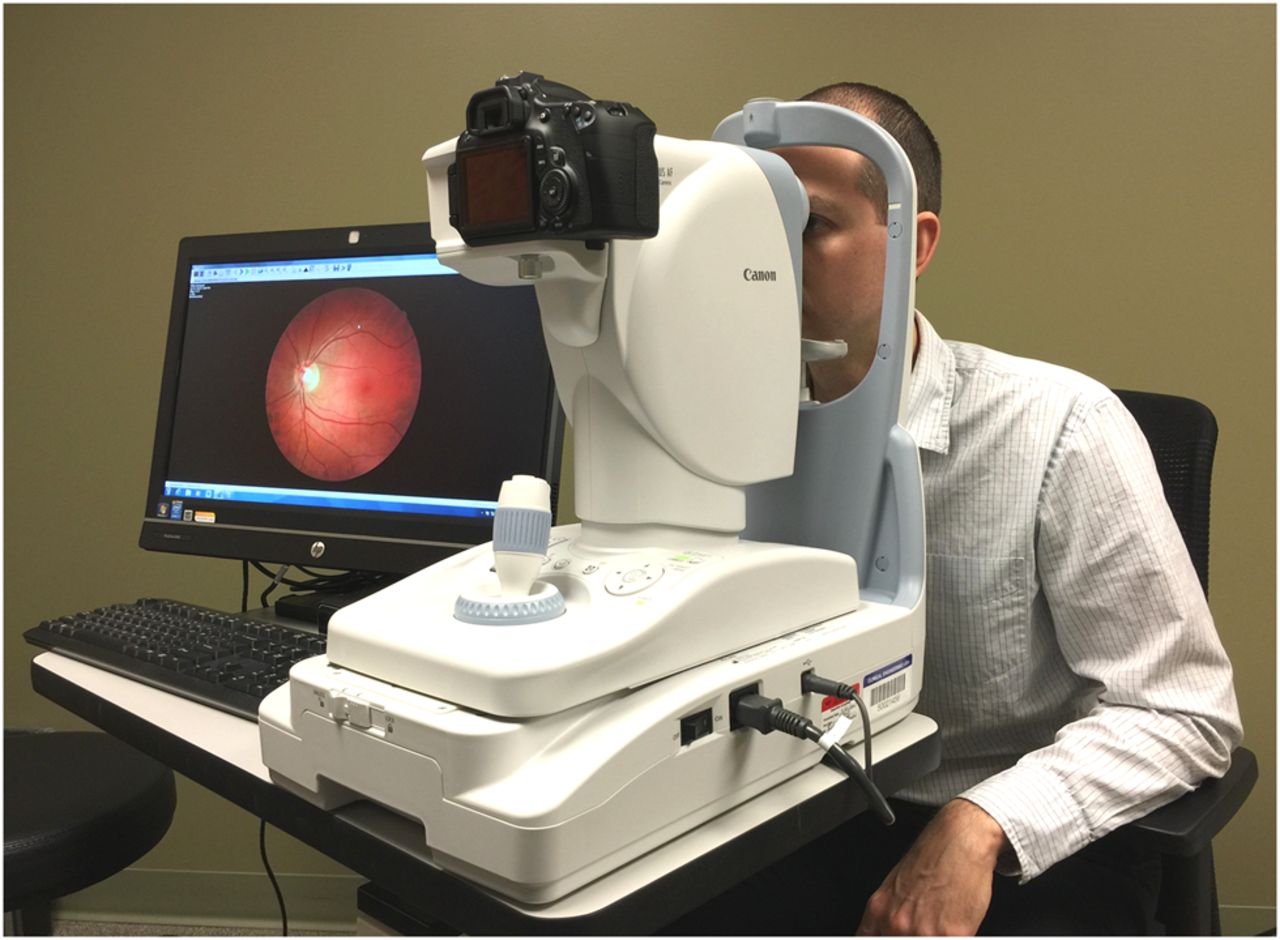
Fundus Photography
Images of the retina are taken to study the progression of retinal diseases like diabetic retinopathy, hereditary fundus dystrophies and macular degeneration.
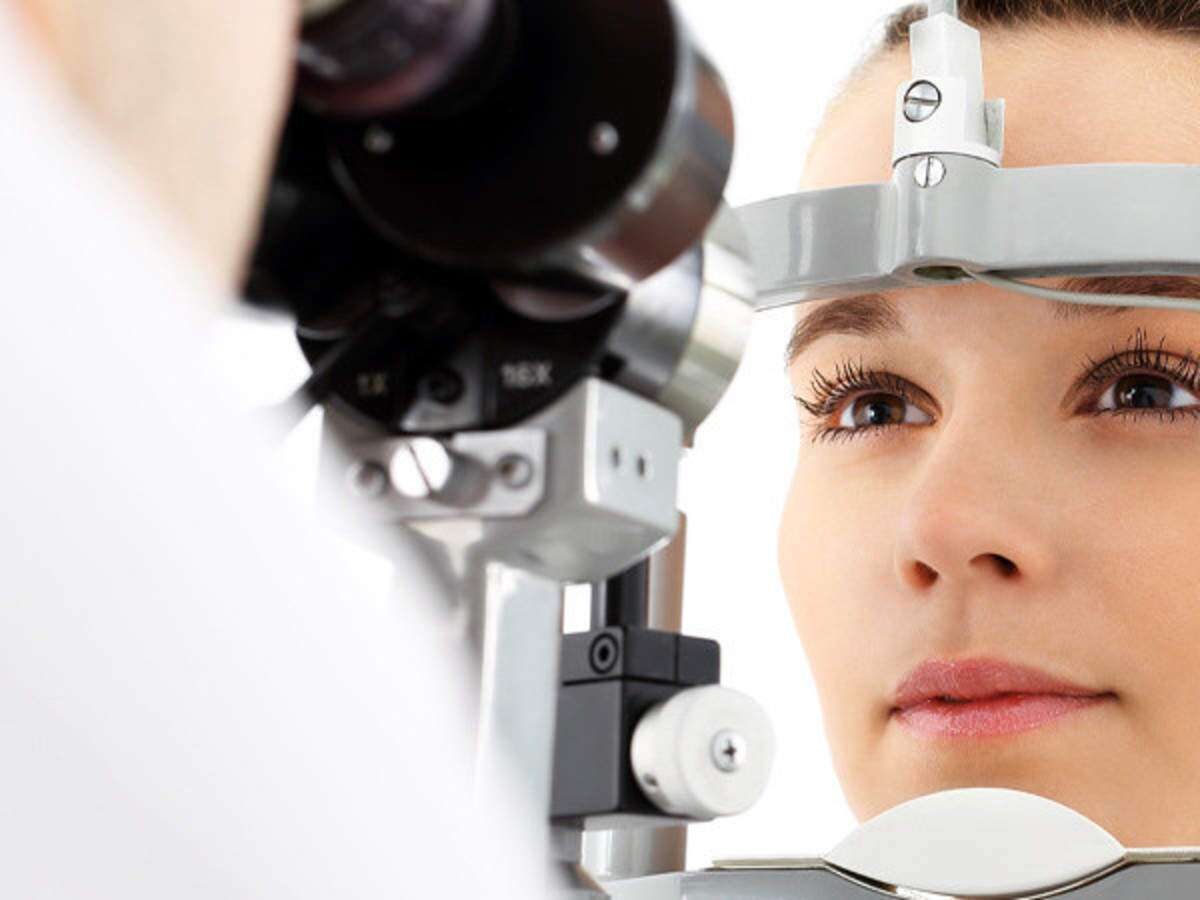
Cataract Surgery
Phacoemulsification is the latest procedure to remove the cataract or the cloudy lens inside the eye. When done in experienced hands, this procedure takes only 5 – 10 minutes.
An instrument is introduced through a very small opening which eats up the cataract, and a foldable intraocular lens is inserted in its place. This is done under topical anesthesia, which means no injection is required and no patch is applied after surgery.
Different types of intraocular lenses are available:
Unifocal Lenses
Ensure good distance vision, but will require you to use glasses for reading.
Multifocal Lenses
Will rid you of glasses completely. Both distance vision and near vision are taken care of.
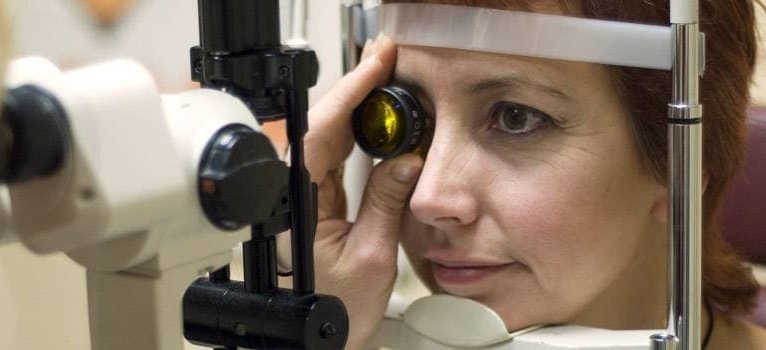
Diabetic Retinopathy Screening
Comprehensive retinal screening for diabetic patients to detect and prevent potential vision loss through early intervention.
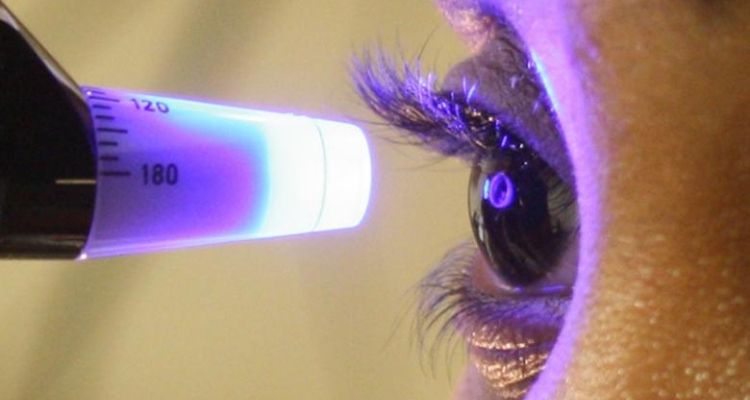
Glaucoma Screening
Comprehensive tests to detect and manage high eye pressure, ensuring long-term vision preservation.